

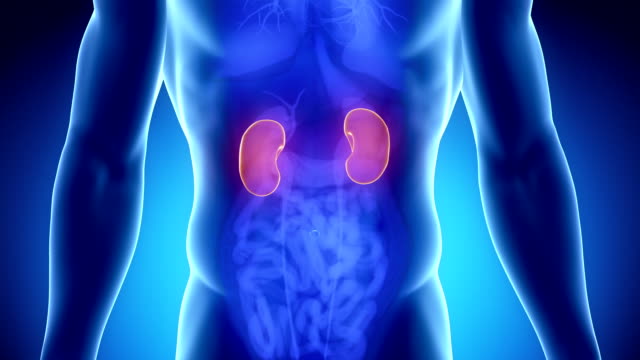
Dehydration and Your Kidneys: What Patients Should Know
If you are living with chronic kidney disease (CKD) — a long-term condition in which the kidneys slowly lose their ability to filter waste — caring for an older parent, or simply wondering whether not drinking enough water can truly harm your kidneys, this is a question worth taking seriously.
Roughly 1 in 7 American adults — an estimated 37 million people — are living with CKD, according to the Centers for Disease Control and Prevention (CDC), and many do not know it. Dehydration is one of the most common — and most preventable — stresses you can place on your kidneys.
The short answer is yes: severe or repeated dehydration can lead to a sudden drop in kidney function, and in serious cases it can contribute to kidney failure. The reassuring part is that most dehydration-related kidney problems are preventable, and when caught early, often reversible.
This guide explains how the connection works, when dehydration becomes dangerous, and how patients in Fort Worth and North Texas can protect their kidneys.
Quick Answer — Can Dehydration Cause Kidney Failure?
Yes. When you are dehydrated, less blood reaches your kidneys, so they filter less effectively. Short-term, this can cause acute kidney injury (a sudden, often reversible drop in kidney function). If dehydration is severe or repeated, or if the kidneys are already vulnerable, it can lead to lasting damage or, rarely, kidney failure. Early rehydration and medical care usually prevent that outcome.
Medically reviewed by Dr. Michael Babigumira, MD, Fort Worth Renal Group — Last reviewed July 15, 2026.
How Dehydration Affects Your Kidneys
Your kidneys process your entire blood supply many times each day — roughly every few minutes, blood passes through them for filtering — and that filtering depends on steady blood flow.
When you lose more fluid than you take in — through heat, sweat, vomiting, diarrhea, or simply not drinking enough — your blood volume drops. To protect your heart and brain, your body narrows blood flow to the kidneys. With less blood arriving, the kidneys filter less, and waste products begin to build up.
Doctors call this filtering capacity the glomerular filtration rate (GFR), and a sharp short-term drop is known as acute kidney injury (AKI) — a sudden decline in kidney function over hours or days.
Dehydration is one of the most common causes of the “prerenal” type of AKI, meaning the kidneys themselves are still healthy but are not receiving enough blood. Caught early, this type is frequently reversible once fluids are restored.
The danger is duration. When low blood flow continues too long, the kidney tissue itself can begin to suffer, and what started as a reversible problem can become lasting damage.
Dehydration also raises the risk of kidney stones and urinary tract infections, both of which add further strain.
From Mild Dehydration to Kidney Failure: How the Risk Builds
Dehydration exists on a spectrum, and so does its effect on the kidneys. Understanding the progression helps you know when to act.
Mild dehydration
Your body signals thirst, your urine darkens, and your kidneys conserve water. At this stage, drinking fluids usually resolves the problem with no lasting effect.
Significant or prolonged dehydration
If fluid loss continues — for example, during a stomach illness, a heat wave, or an extended period without drinking — kidney function can drop measurably, producing acute kidney injury. This often requires medical attention, sometimes including intravenous (IV) fluids.
Severe or repeated dehydration
Severe dehydration that is not treated promptly can cause lasting kidney damage. Research also shows that even a single episode of acute kidney injury raises the long-term risk of developing chronic kidney disease, and that repeated episodes can have a cumulative effect — each one potentially leaving the kidneys a little less resilient. For someone whose kidneys are already compromised, the margin for error is smaller.
True kidney failure from dehydration alone is uncommon in otherwise healthy people, but it becomes a real risk when dehydration is severe, repeated, or layered on top of existing kidney disease, diabetes, or certain medications. That is why prevention and early treatment matter so much.
Who Is Most at Risk?
Anyone can become dehydrated, but for some people the kidney stakes are higher. You may need to be especially attentive if you are:
- Living with chronic kidney disease. Kidneys with reduced reserve are more easily tipped into injury — ongoing nephrology care helps monitor that risk.
- Managing diabetes or high blood pressure. These are the two leading causes of kidney disease, and both make the kidneys more vulnerable to dehydration.
- Age 65 or older. The sense of thirst weakens with age, so older adults often under-drink without realizing it.
- On certain medications. Diuretics (“water pills”), ACE inhibitors, ARBs, NSAIDs, and SGLT2 inhibitors (a class of diabetes and kidney-protective medications that can mildly increase fluid loss, though they are also among the most important medications for protecting kidney function long-term) can increase fluid loss or change kidney blood flow — a topic to review with your care team.
- Experiencing vomiting or diarrhea. Stomach illnesses cause rapid fluid loss and are a common trigger for dehydration-related kidney injury.
- Working or exercising in the Texas heat. Outdoor labor and intense exercise combine sweat loss with exertion, especially during North Texas summers.
Warning Signs to Watch For
Early dehydration is easy to miss. Mild signs include:
- Dark yellow urine or urinating less than usual
- Increased thirst, dry mouth, or dry lips
- Fatigue, dizziness, or lightheadedness when standing
- Headache or trouble concentrating
Seek medical care promptly if you notice signs of more serious kidney stress or severe dehydration:
- Little or no urine for many hours
- Confusion, fainting, or a rapid heartbeat
- Persistent vomiting or diarrhea that prevents you from keeping fluids down
- Swelling in the legs, ankles, or around the eyes
If you already have kidney disease, diabetes, or take the medications above, do not wait to see whether symptoms pass. Contact your care team early — dehydration can progress faster in kidneys that are already working harder than they should.
How to Protect Your Kidneys From Dehydration
Most dehydration-related kidney trouble is preventable. These habits help — and should be tailored to your specific condition with your care team.
1. Drink steadily, before you feel thirsty
Thirst lags behind your body’s actual need, especially as you age. Sip water through the day rather than trying to catch up later. (See the important exception below for fluid-restricted patients.)
2. Be extra careful when you are sick
Vomiting and diarrhea cause rapid fluid loss. If you cannot keep fluids down, call your care team rather than pushing through it — this is one of the most common paths to acute kidney injury.
3. Plan ahead for heat and exertion
During Texas heat or before outdoor work and exercise, hydrate in advance and take shaded breaks. The National Kidney Foundation offers general hydration guidance, but your personal target should come from your care team.
4. Know how your medications interact with hydration
If you take diuretics, blood pressure medications, or NSAIDs, ask whether you need a “sick-day” plan for times when dehydration risk spikes. Never stop a prescription on your own.
5. Pay attention to your urine
Pale yellow urine generally signals good hydration; dark urine or urinating much less than usual is an early cue to drink and, if it persists, to seek care.
Important: More Water Is Not Always the Answer
For most people, drinking enough water is protective. But if you are on dialysis, in advanced CKD, or have been given a fluid restriction, drinking extra water can be harmful — it can cause dangerous fluid buildup and strain your heart and lungs.
For these patients, the goal is not simply “drink more” but finding the right balance, which your nephrologist and renal dietitian can help you set. The correct amount of fluid is the amount that is right for your kidneys.
When to See a Kidney Specialist
Reach out to your nephrologist or care team if you experience any of the following:
- A bout of severe dehydration, especially with little urine output
- Dehydration symptoms that do not improve with rest and fluids
- Repeated episodes of dehydration or kidney concerns
- Known kidney disease, diabetes, or high blood pressure plus any dehydration warning signs
If you are in Fort Worth, Tarrant County, or the greater DFW area and want to understand your kidney health or recover well after a dehydration episode, Fort Worth Renal Group is here to help.
Frequently Asked Questions
Can drinking water reverse kidney damage from dehydration?
Often, yes — if it is caught early. When dehydration reduces kidney function but the kidney tissue itself is still healthy, restoring fluids usually allows function to recover. The concern is severe or prolonged dehydration, which can cause damage that does not fully reverse. That is why prompt rehydration and medical care matter.
How long does it take for dehydration to affect your kidneys?
It can happen within hours in severe cases — for example, during heavy vomiting, diarrhea, or extreme heat. Milder dehydration usually has to persist before it meaningfully reduces kidney function. The exact timeline depends on your age, health, medications, and how much fluid you are losing, which is why early attention is best.
Is dehydration more dangerous if I already have kidney disease?
Yes, and you are right to take it seriously. Kidneys with reduced function have less reserve, so dehydration can tip them into injury more easily, and the effects may be harder to reverse. If you have CKD, diabetes, or high blood pressure, it is worth having a hydration plan and contacting your care team early when dehydration risk rises.
What are the first signs that dehydration is affecting my kidneys?
Watch for urinating much less than usual or very dark urine, alongside thirst, fatigue, dizziness, or confusion. A noticeable drop in urine output is a particularly important signal. If these appear and do not improve quickly with fluids, seek medical care.
Can everyday mild dehydration cause long-term kidney problems?
Occasional mild dehydration that you correct by drinking is generally not harmful. The greater concern is severe dehydration or a pattern of repeated episodes, which research links to a higher long-term risk of chronic kidney disease. Consistent, sensible hydration is a simple way to lower that risk.
Where can I get kidney care in Fort Worth?
Patients across Fort Worth and North Texas can reach Fort Worth Renal Group for personalized nephrology care. Visit dfwrenal.com, find your nearest Fort Worth location, or call (682) 207-1700 to request an appointment.
Protect What Your Kidneys Do for You
Dehydration is one of the most common stresses on the kidneys — and one of the most preventable. Knowing the warning signs and staying ahead of fluid loss can keep a short-term problem from becoming a serious one.
The team at Fort Worth Renal Group works with patients across Fort Worth and North Texas to protect kidney function and build practical, personalized care plans.
Request an appointment today at dfwrenal.com and take the next step toward protecting your kidney health.
Medical & Educational Disclaimer
This article is provided for educational and informational purposes only and is not intended as medical advice, diagnosis, or treatment. Health information is general in nature and may not apply to your specific situation.
Always consult your physician, nephrologist, or other qualified healthcare provider regarding any questions you have about a medical condition or before making changes to your healthcare, medications, or lifestyle. Never delay or disregard professional medical advice because of information contained in this article.

